

THE SANAME JOURNAL
Clinical Nutrition for Optimal Health: A SANAME Guide
Last Updated: 22 November 2026
Quick Summary
Clinical nutrition is the use of food and nutrients to support health, recovery and wellbeing, especially when the body needs more help than an ordinary diet provides. It helps the body get what it needs to function well, with protein, fluids and key nutrients all playing a part.
- Protein, fluids and balanced meals are all important parts of the diet.
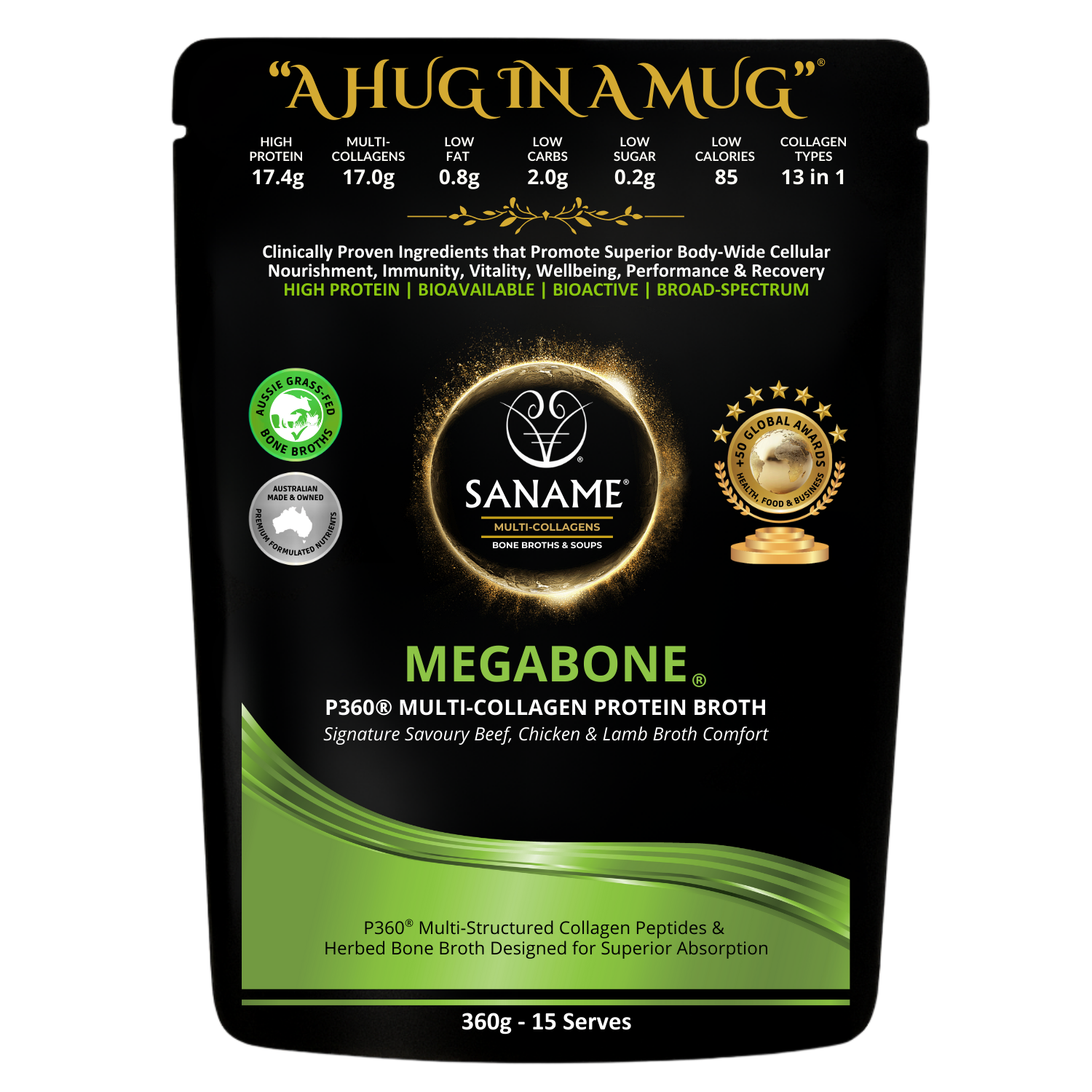
- SANAME's P360 MEGABONE Multi-Collagen Bone Broth can be used as a quick hot drink.
- Stir bone broth into soups or vegetables to add flavour.
- Plan a warm drink or meal at set times each day to keep the routine simple.
- Check with your GP or dietitian before changing your diet, especially with a medical condition.
Table of Contents
- How Clinical Nutrition Supports Optimal Health and Well-Being
- Nutrition for Recovery: Simple Daily Support with Bone Broth
- Putting Nutrition and Hydration into Daily Routines, Including Aged Care Settings
- Frequently Asked Questions
Clinical nutrition is the use of food and nutrients to support health, recovery and wellbeing, especially when the body needs more help than an ordinary diet provides.
How Clinical Nutrition Supports Optimal Health and Well-Being
Clinical nutrition helps the body get what it needs to function well. Protein, fluids and key nutrients all play a part. Learn the signs and causes of nutrient malabsorption that can quietly affect energy, muscle and immunity.
- Protein is an important part of the diet
- Fluids are an important part of the diet
- Balanced meals are an important part of the diet
At SANAME, we make bone broth simple: boil the kettle, rip, tip or scoop, and sip. It is our way of saying "Hug in a Mug," bone broth made simple, delicious and healthy. If you prefer to make it yourself, follow these steps for homemade beef bone broth.
Nutrition for Recovery: Simple Daily Support with Bone Broth
A warm, savoury drink can be an easy way to add fluids and protein to your day. Read a collagen routine for gym recovery built around training and meal timing.

- Use SANAME's P360® MEGABONE Multi-Collagen Bone Broth as a quick hot drink
- Stir it into soups or vegetables to add flavour
- Choose the SANAME Intro Variety Pack to try a range of flavours
Putting Nutrition and Hydration into Daily Routines, Including Aged Care Settings
Good habits are easiest to keep when they are simple. Plan a warm drink or meal at set times each day, and keep ready-to-use options on hand for busy days.

Always check with your GP or dietitian before changing your diet, especially if you have a medical condition.
Simple routines are easiest to keep, so the table below sets out the core habits from this section.
| Habit | When | Note |
|---|---|---|
| Warm drink or meal | Set times each day | Keeps routine simple |
| Ready-to-use options | On busy days | Keep on hand |
| Check with GP or dietitian | Before changing diet | Especially with a medical condition |
Frequently Asked Questions
What is clinical nutrition?
Clinical nutrition is the use of food, fluids and tailored nutritional products to support health, recovery and day-to-day wellbeing. It is especially relevant for people who need extra protein, energy or hydration because of illness, surgery, ageing or a demanding lifestyle. Clinical nutrition works best when it is personalised, reviewed over time and adjusted as needs change. For individual advice on a medical condition, speak with your GP or an accredited practising dietitian.
How can bone broth fit into a nutrition and hydration routine?
SANAME bone broth is a quick, convenient alternative to making broth from scratch. Simply boil the kettle, rip, tip or scoop, and sip. It can be enjoyed hot as a warming drink, or stirred into soups and sauces to add flavour and protein. It is a Hug in a Mug: bone broth made simple, delicious and healthy.
When should someone seek advice from an accredited practising dietitian?
Consider speaking with an accredited practising dietitian if you have unplanned weight loss, difficulty eating or swallowing, a recent hospital stay, or a diagnosed condition that affects how you eat. A dietitian can assess your nutritional needs, build a personalised plan and review it as your health changes. Your GP can advise whether a referral is appropriate for your situation.


