

THE SANAME JOURNAL
What Are the Best Convenient High-Protein Foods for Families?
Last Updated: November 21, 2026
Quick Summary
The best high-protein foods for families are those that deliver meaningful protein per serving with minimal preparation, such as Greek yoghurt, hard-boiled eggs, tinned tuna, cottage cheese and bone broth. Build your pantry around these staples so a school morning or late work night does not derail everyone's nutrition.
- Greek yoghurt delivers 15-17g of protein per 170g tub with no preparation at all.
- A 95g tin of tuna provides 20-22g of protein and needs no cooking.
- Freeze yoghurt pouches overnight so they thaw by lunch in a warm school bag.
- Check your school's allergy policy before packing nut butters or whole nuts.
- Plate differently from the same pot, giving toddlers 7-10g of protein per meal.
Table of Contents
- Why Convenient High-Protein Foods Matter for Busy Families
- Quick Comparison: Protein Per Serving Across Common Family Foods
- High-Protein Snacks for Kids That Pass the Lunchbox Test
- High-Protein Pantry Staples That Make Dinner Easier
- Simple Ways to Add Protein to Meals Without a Whole New Recipe
- High-Protein Family Meals for Weeknights When Time Is Tight
- Family-Friendly Portions and Planning by Age
- Cost, Storage and Allergy-Aware Swaps
- SANAME: The Quick, Convenient Alternative to Making Bone Broth from Scratch
- Build Your Family's High-Protein Pantry This Week
- Frequently Asked Questions
Why Convenient High-Protein Foods Matter for Busy Families
Convenient high-protein food for families is food that delivers meaningful protein per serving with minimal preparation, so a school morning or a late work night does not derail everyone's nutrition. Good intentions often collapse somewhere between the school run and the evening routine.
The real problem is not knowledge. Most parents know eggs, yoghurt and chicken are good choices. The problem is time, and the friction of preparing those foods on the days when everything else is already running late. That is why the best high-protein foods for families are the ones that survive contact with a real week, not the ones that look best on paper.
Below, we break down protein per serving, portable snack ideas, pantry staples and family portions by age, so you can build a system rather than a shopping list.
Quick Comparison: Protein Per Serving Across Common Family Foods
Protein per serving varies enormously across everyday family foods, and serving size is where most parents get caught out. A child eating half a tub of yoghurt takes in half the protein on the label.
| Food | Typical Serving | Protein Per Serving | Prep Effort | Best For |
|---|---|---|---|---|
| Greek yoghurt | 170g tub | 15-17g | None | Breakfast, lunchboxes |
| Cottage cheese | 100g | 11-12g | None | Toast topping, snacks |
| Hard-boiled eggs | 2 eggs | 12-13g | Batch cook once | Portable snacks |
| Tinned tuna | 95g tin | 20-22g | None | Sandwiches, salads |
| Chicken breast | 100g cooked | 30-31g | Cook ahead | Dinners, wraps |
| Lentils | 1 cup cooked | 18g | Simmer 20 mins | Meat-free dinners |
| Chickpeas | 1 cup cooked | 14-15g | None if tinned | Snacks, curries |
| Tofu | 100g firm | 12-14g | Pan-fry 10 mins | Stir-fries |
| Almonds | 30g handful | 6g | None | Lunchbox filler |
| Peanut butter | 2 tbsp | 7-8g | None | Toast, apple slices |
| Bone broth | 1 x 24g serve | 15-18g | Boil the kettle | Any meal, any time |
Protein Per Serving
The pattern is clear. Animal-based proteins deliver the most per serve, plant-based options need larger portions to match, and convenience foods sit somewhere in between. The bone broth row is where most families find their gap filler, because it takes the same effort as making tea.
High-Protein Snacks for Kids That Pass the Lunchbox Test
The best high-protein snacks for kids are ones that survive a warm school bag, do not leak, and get eaten without negotiation. That rules out a lot of worthy ideas.
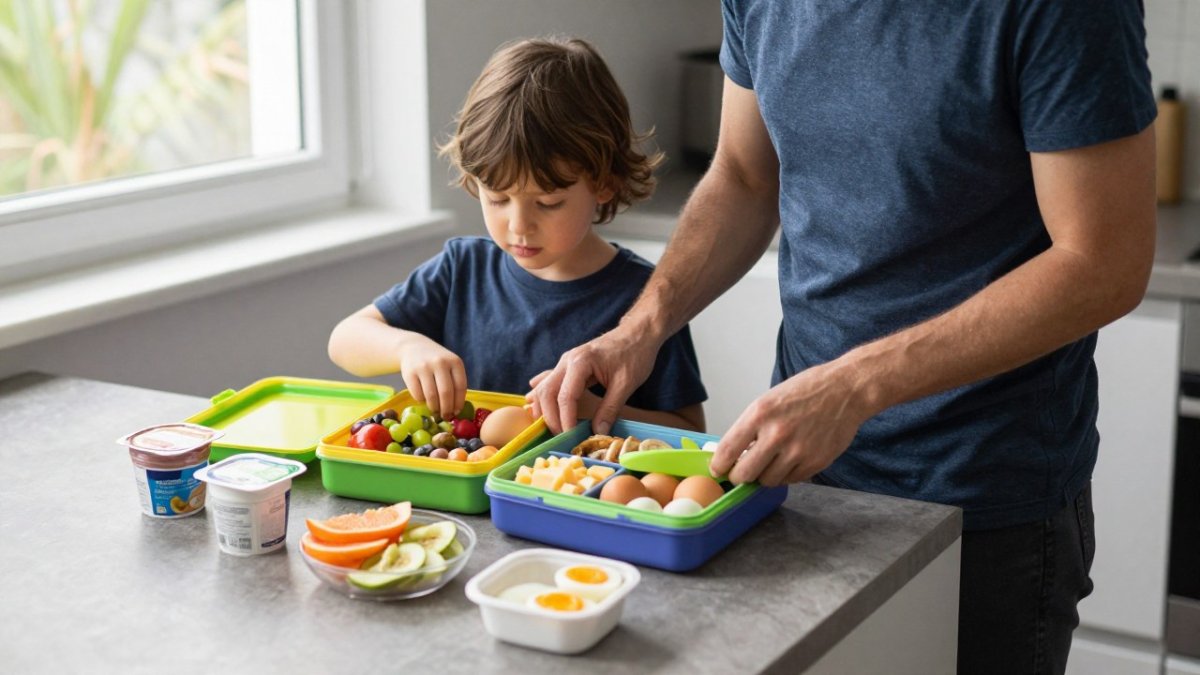
Our rules for a lunchbox protein that actually works:
- Yoghurt pouches or tubs with a screw lid, frozen overnight so they thaw by lunch
- Hard-boiled eggs, peeled at home to remove the fiddly part
- Cheese cubes or sticks, portioned into small containers
- Tuna and crackers kept separate until eating
- Trail mix with almonds and seeds for older children
- Yoghurt dip with vegetable sticks for the child who ignores sandwiches
Watch out: nut butters and whole nuts are banned at many schools for allergy reasons. Check your school's policy before packing them, and see the allergy section below for swaps.
If your child is a fussy eater, the practical tips in how to serve high-protein soup to picky eaters are worth reading before you buy anything in bulk.
High-Protein Pantry Staples That Make Dinner Easier
A well-stocked pantry is the difference between a fifteen-minute dinner and a takeaway order. The staples below cover most weeknight emergencies, and each one earns its place because it stores for months, needs minimal preparation and slots into meals your family already eats.
| Staple | Typical Protein Per Serving | Storage | Best Quick Use |
|---|---|---|---|
| Tinned tuna, salmon and sardines | 20-22g per 95g tin | Cool, dry cupboard; use within date | Sandwiches, pasta, patties |
| Tinned chickpeas and lentils | 14-18g per cup | Cool, dry cupboard; rinse before use | Curries, salads, roasting |
| Eggs | 12-13g per two eggs | Fridge once purchased; use within date | Omelettes, boiled snacks, fried rice |
| Greek yoghurt | 15-17g per 170g tub | Fridge; check tub date | Marinades, dips, breakfast |
| Frozen edamame | 8-9g per 100g podded | Freezer; do not refreeze once thawed | Two-minute snack, stir-fries |
| Bone broth sachets | 15-18g per 24g serve | Cool, dry cupboard; long shelf life | Instant soups, flavour base |
Bone broth is the staple most families overlook. It needs only hot water, and can be used as a cooking base for soups, noodles and stir-fries. Because it takes the same effort as making tea, it fills the gap on nights when even opening a tin feels like too much. For guidance on batching, storing and serving it so it genuinely saves time, see how to make bone broth convenient.
A common pattern is to buy pantry staples in bulk and then forget what is at the back of the cupboard. Rotate tinned goods by date, keep eggs in the fridge once purchased, store nuts and seeds in sealed jars away from heat, and freeze cooked chicken and mince in meal-sized portions so nothing spoils. These small habits prevent waste and keep the pantry working when you need it most.
Watch out: tinned fish and legumes vary in salt content between brands, so check labels if you are cooking for young children or anyone watching their sodium intake.
Simple Ways to Add Protein to Meals Without a Whole New Recipe
You do not need new recipes. You need small additions to the meals your family already eats, and they should take under two minutes each.
- Stir a scoop of bone broth powder into soup, gravy or pasta sauce
- Swap half the mince in a bolognese for lentils
- Add a spoon of Greek yoghurt to mashed potato or curry
- Top toast with cottage cheese instead of butter
- Fold tinned tuna through a pasta bake
- Sprinkle seeds over salads and yoghurt
- Use eggs as a topper for fried rice or noodles
The bone broth trick is our favourite because it adds protein and flavour at once. Our guide to instant beef and mushroom soup shows how a two-minute upgrade turns a plain bowl into a high-protein meal without a new recipe.
High-Protein Family Meals for Weeknights When Time Is Tight
Weeknight dinners fail for one reason: they need more energy than the person cooking has left. The fix is meals that assemble rather than cook.
Our shortlist for the hardest nights:
- Stir-fry with pre-cut vegetables and a broth-based sauce, on the table in fifteen minutes
- Frittata, using whatever vegetables are in the fridge, cooked once and eaten twice
- Tuna pasta bake, assembled ahead and baked while baths happen
- Lentil and chickpea curry, made in a large batch and frozen in portions
- Noodle bowls, where boiling the kettle is the main cooking step
For a full week of options, including freezer-friendly dinners and batch cooking tips, see these quick and healthy meal prep ideas for busy nights.
Family-Friendly Portions and Planning by Age
Protein needs scale with age, and serving everyone the same plate is where family planning usually goes wrong. The table below gives a practical starting point for portioning from the same pot, with approximate protein per serve so you can see how the numbers stack up.
| Age Group | Typical Protein Per Meal | Practical Serving Example | Planning Note |
|---|---|---|---|
| Toddlers and preschoolers | 7-10g | Half an egg, a few spoons of yoghurt, soft lentils | Small, frequent serves; offer protein at each snack and meal |
| Primary school children | 15-20g | One egg plus yoghurt, or a small chicken wrap | Aim for a protein source at every meal, not one large serve at dinner |
| Teenagers | 25-35g | Chicken breast, eggs, yoghurt and legumes at most meals | Biggest appetites in the house; keep easy options visible |
| Adults | 25-35g | Palm-sized portion of meat, fish, tofu or legumes | Spread protein across the day rather than loading it all into dinner |
| Older family members | 20-30g | Soups, broths and yoghurt | Softer textures matter; dry meat can be harder to manage |
Practically, that means plating differently from the same pot. A curry works for everyone if you serve rice and yoghurt generously to the children and keep the lentils chunky for the adults. A frittata can be cut into smaller wedges for toddlers and larger ones for teenagers, with a spoon of yoghurt on the side for extra protein. Bone broth fits every age group because it can be served as a small mug for children or a larger bowl for adults, and it adds protein without changing the meal. When a meal needs a little more protein without changing what is on the plate, a simple shake can sit alongside family favourites, with IsaacTempleNutrition offering another option to consider.
Watch out: whole nuts, large chunks of meat and hard raw vegetables are choking hazards for young children, so adapt texture and size for toddlers and preschoolers rather than assuming they can manage adult portions.
Cost, Storage and Allergy-Aware Swaps
Protein does not have to be expensive. Eggs, tinned fish, lentils and chickpeas are consistently the cheapest protein per gram in any supermarket, and they store for months.
Storage rules that prevent waste:
- Freeze cooked chicken and mince in meal-sized portions
- Keep eggs in the fridge once purchased
- Store nuts and seeds in sealed jars away from heat
- Rotate tinned goods by date so nothing hides at the back
For allergy-aware families, the swaps are straightforward. Replace peanut butter with sunflower seed butter. Replace nuts in trail mix with roasted chickpeas. Replace dairy yoghurt with a fortified plant-based alternative. Always check labels, because protein content varies widely between brands.
SANAME: The Quick, Convenient Alternative to Making Bone Broth from Scratch
Making bone broth from scratch takes hours of simmering, a large pot and a kitchen that smells of it for a day. SANAME is the quick, convenient alternative: boil the kettle, rip, tip or scoop, and sip.
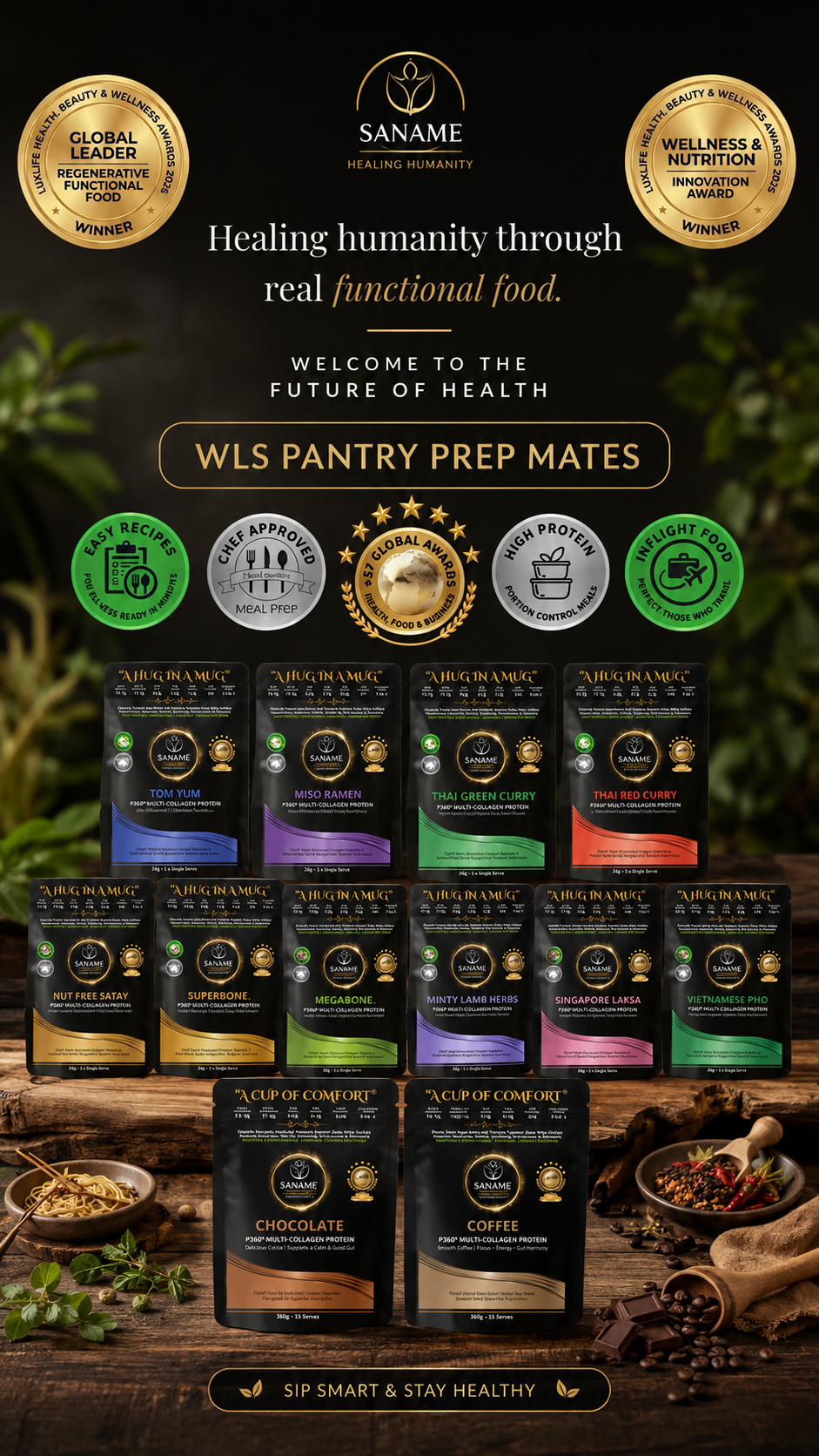
That is the whole process. It is bone broth made simple, delicious and healthy, and it earns its place in a family pantry because it fits the two minutes you actually have. Our P360® Multi-Collagen Bone Broths come in flavours the whole household will eat, from SUPERBONE Chicken, which tastes like an old-school chicken soup, to Miso Ramen and Thai Red Curry for a bolder flavour. Each serve is high protein and low carb, and doubles as a cooking base for soups, noodles and stir-fries.
The tagline we keep coming back to is Hug in a Mug, because that is what it feels like on a cold evening or a hard day. If you are new to the range, the P360™ multi-collagen bone broth variety pack is the easiest way to find your family's favourite flavours before stocking the pantry.
Build Your Family's High-Protein Pantry This Week
Start with one change, not ten. Pick the meal that fails most often in your house, whether that is breakfast, lunchboxes or Tuesday dinner, and fix only that one with a protein staple you can keep on hand. Then add the next.
At SANAME, our range of practitioner-grade multi-collagen bone broths and soups exists for exactly this problem: nourishment that takes the effort of boiling a kettle. Australian owned, with 88+ global awards and recognitions behind the range, we make bone broth simple so the family actually drinks it.
Get started with SANAME and give your family a pantry that works on the nights when nothing else does.
Frequently Asked Questions
What are convenient high-protein foods for families?
Convenient high-protein foods are items that need little or no preparation and still deliver a useful amount of protein per serving. For families, that usually means eggs, Greek yoghurt, cottage cheese, tinned tuna and salmon, cooked chicken, lentils, chickpeas, tofu, nuts and seeds. Keep a mix of ready-to-eat options in the fridge and shelf-stable high-protein pantry staples in the cupboard so there is always something quick to serve on a busy night.
What are some quick high-protein snacks for kids?
Good options include hard-boiled eggs, cheese cubes, Greek yoghurt with fruit, hummus with vegetable sticks, peanut butter on wholegrain toast, edamame and small tubs of cottage cheese. Portion them into small containers at the start of the week so they are ready to grab. Check your school's nut policy before packing anything containing peanut butter or trail mix, and swap in seeds or roasted chickpeas if nuts are not allowed.
How can I add more protein to family meals without changing the whole recipe?
Stir protein into what you already cook. Add a scoop of SANAME P360™ Multi-Collagen Bone Broth to soups, sauces and gravies for extra protein and depth of flavour, or sprinkle it over vegetables, rice and pasta. You can also fold lentils into mince dishes, add tinned beans to casseroles, or top a family salad with boiled eggs and shredded chicken. These small additions lift the protein per serving without a new recipe.
What high-protein foods are easy to keep in the pantry?
Tinned tuna, salmon, sardines and chickpeas, dried lentils, peanut butter, nuts, seeds, and shelf-stable broth powders all keep well. SANAME's pantry packs are a practical example: the CHEF MATES 10x24g Pantry Pack ($59.99) holds ten single-serve multi-collagen bone broths. Stock two or three of these categories and you always have the base of a high-protein meal on hand.
Are there convenient high-protein options for families with allergies or dietary needs?
Yes. For dairy-free households, lean on eggs, tinned fish, chicken, lentils, chickpeas, tofu and edamame. For nut-free lunchboxes, use seeds, roasted chickpeas or SANAME's Nut Free Satay Multi-Collagen Bone Broth ($59.99) instead of satay sauces that contain peanuts. Vegetarian families can combine beans, lentils, tofu and Greek yoghurt, and use SANAME broths as a flavour base. Always read labels and check your school or childcare allergy policy before packing.


